When temperatures climb into the upper 90s and triple digits, your air conditioner has a lot of work to do. Longer run times are normal during a Texas summer, but there is a difference between a system working hard and one that is struggling.
If your AC is not keeping up with the heat, several factors could be responsible.
Extreme Heat Can Push Your System Harder
Air conditioners are designed to maintain a reasonable difference between indoor and outdoor temperatures. On an exceptionally hot afternoon, your system may run for long periods and your indoor temperature may rise slightly.
That does not automatically mean something is wrong.
The bigger concern is a system that previously handled similar temperatures but suddenly cannot, or one that continues losing ground as the day progresses.
Check Your Air Filter
Restricted airflow is one of the simplest reasons an air conditioner may struggle.
A dirty filter makes it harder for your system to circulate cooled air throughout your home. That can lead to:
- Longer cooling cycles
- Weak airflow
- Uneven temperatures
- Higher energy consumption
- Frozen evaporator coils
Check the filter and replace it if it is visibly dirty.
Your Outdoor Unit May Need Attention
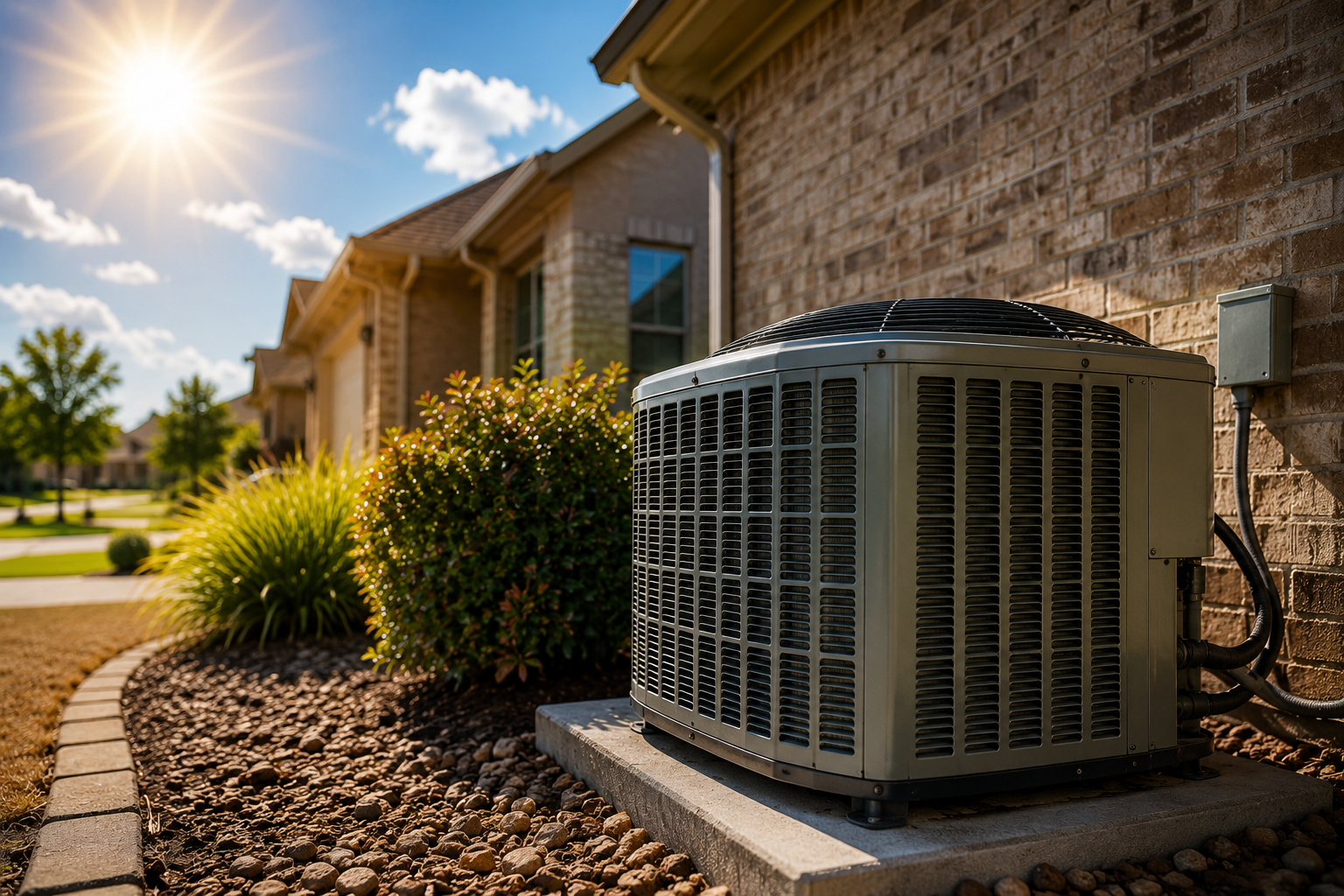
The condenser outside your home releases the heat your AC removes from indoors.
Grass clippings, dirt, leaves, and other debris can restrict airflow around the unit and make that process less efficient. Keep the area surrounding your condenser clear and avoid placing landscaping or other objects too close to it.
If the coils themselves need cleaning, professional HVAC maintenance is the safer option.
Low Refrigerant Can Reduce Cooling
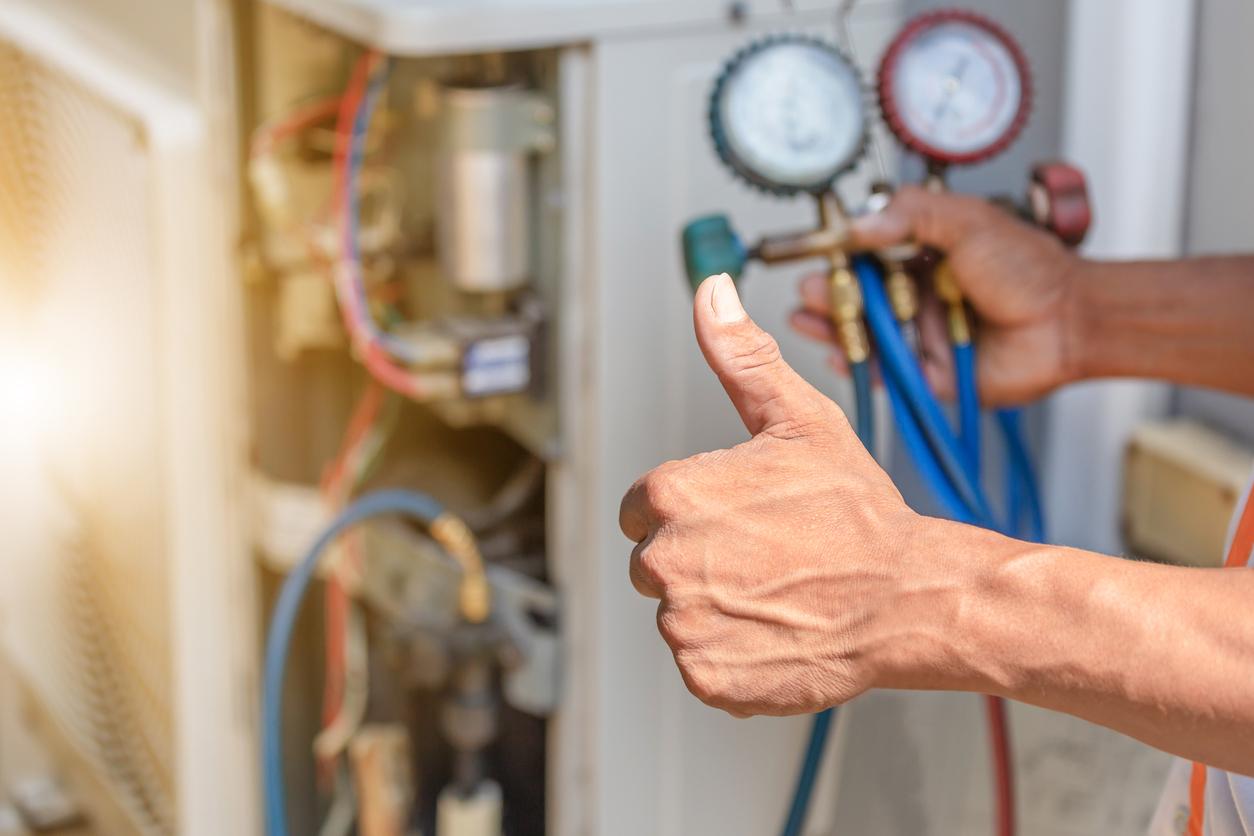
Your air conditioner relies on refrigerant to transfer heat out of your home. If the system develops a leak, cooling performance can drop significantly.
Possible signs include:
- Warm or less-cool air from vents
- Ice on refrigerant lines or coils
- Longer run times
- Increasing indoor temperatures
Refrigerant does not normally disappear through regular use. Low refrigerant usually means the system should be inspected for a leak.
Your AC May Be Aging
Air conditioning systems lose efficiency as components wear over time.
If an older system has become noticeably less capable of keeping your home comfortable during hot weather, it may need repair or be approaching the point where replacement makes more financial sense.
That does not mean every older air conditioner needs to be replaced. A professional evaluation can help determine the condition of the system and your available options.
Your Home Can Affect AC Performance Too
Not every cooling problem starts with the air conditioner.
Poor insulation, air leaks, direct sunlight through windows, ductwork problems, or recent additions to the home can all increase the cooling load.
If your HVAC equipment appears to be operating properly but certain areas remain uncomfortable, looking at the home as a complete system may reveal the cause.
When Should You Call for AC Repair?
Consider scheduling an inspection if:
- Your home cannot reach the thermostat setting
- Cooling performance has recently declined
- Airflow has become noticeably weaker
- The system runs constantly without making progress
- You notice ice, leaking water, or unusual noises
- Your energy bills suddenly increase
Catching a developing problem before the system completely stops working can often prevent a more disruptive breakdown.
Keep Your Cool Through the End of Texas Summer
Texas heat can challenge even a healthy air conditioning system, but persistent cooling problems should not be ignored.
If your AC is not keeping up with the heat, Moore Than Air can evaluate your system, identify potential problems, and recommend the right solution. We provide professional AC repair throughout Bedford and the greater DFW area to help homeowners stay comfortable through the hottest days of the year.
Contact us NOW to learn more!