The first cool morning of fall often arrives unexpectedly in North Texas. After months of running the air conditioner, you switch the thermostat to heat and hope everything works exactly as it should.
Usually, it does. But taking a few minutes to check your HVAC system before turning on the heat for the first time can help you spot potential problems early.
Start With Your Air Filter
Your heating and cooling system typically shares the same airflow system, which means the filter that worked all summer will also affect heating performance.
Check your filter before starting the heat. If it is visibly dirty, replace it.
A clogged filter can restrict airflow, make your system work harder, and contribute to uneven temperatures throughout the home.
Check Your Thermostat
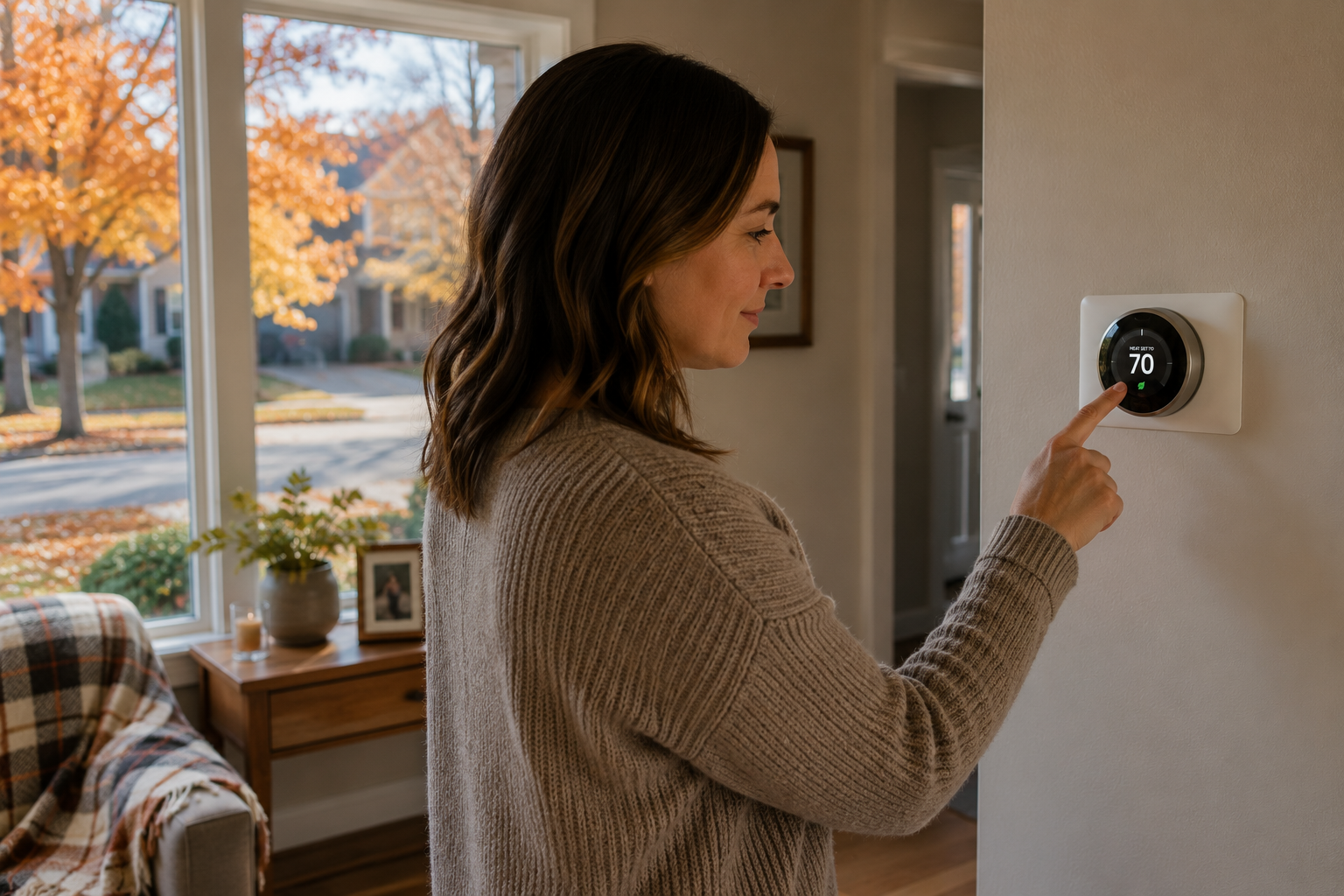
Switch your thermostat from cooling to heating mode and set the temperature a few degrees above the current room temperature.
The heating system should start shortly afterward.
If nothing happens, check:
- The thermostat mode
- Battery level, if applicable
- Temperature setting
- Circuit breakers
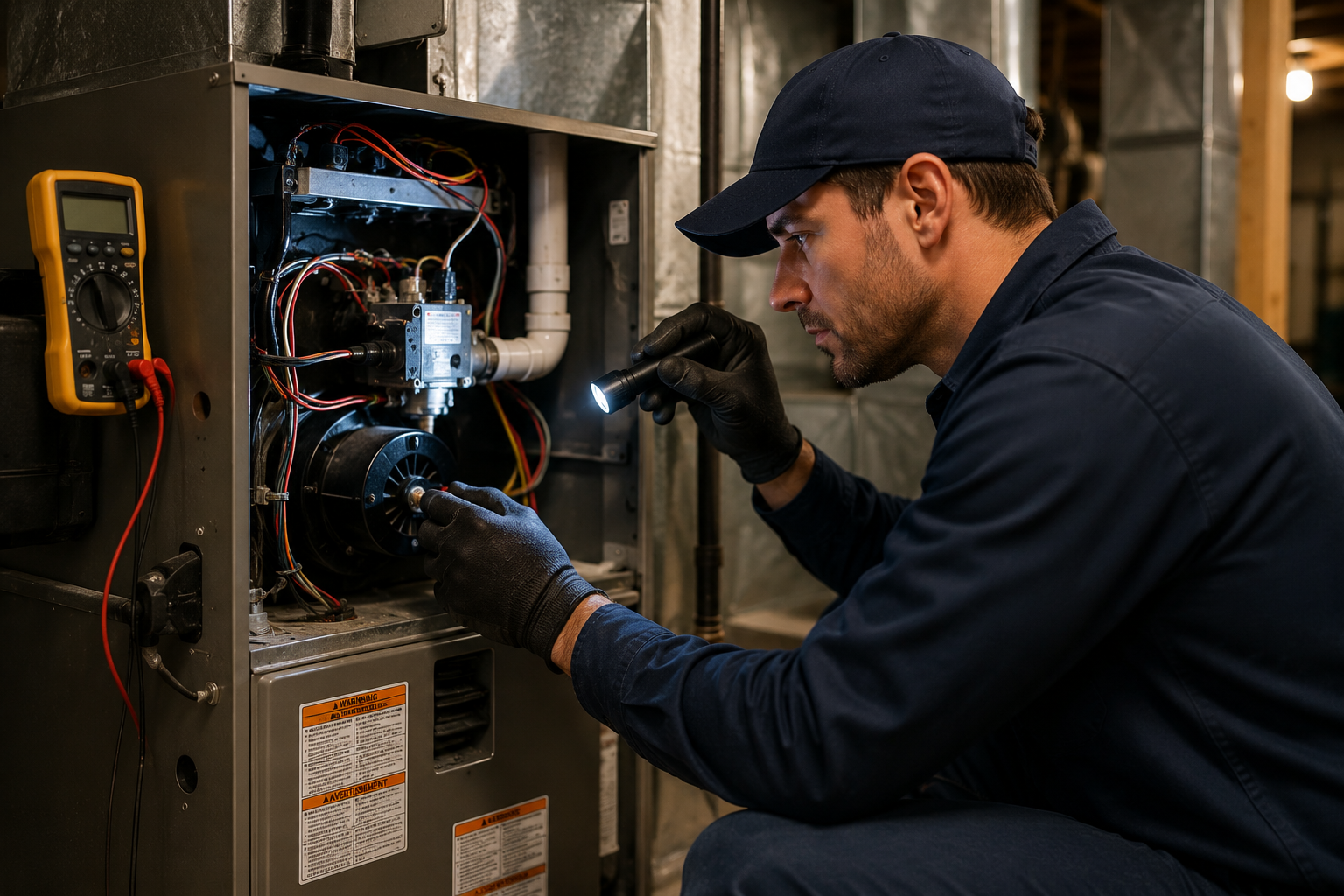
If those appear normal and the system still does not start, professional diagnosis may be necessary.
A Slight Burning Smell Can Be Normal
Do not be surprised if you notice a dusty or slightly burning smell the first time the heat runs.
Dust can accumulate on heating components during months of inactivity. When the system starts, that dust may briefly produce an odor.
It should generally disappear fairly quickly.
A persistent burning smell, strong electrical odor, or smell of melting plastic is different. Turn the system off and have it inspected.
Listen for Unusual Sounds
Your heating system will make some normal operational sounds, particularly after sitting unused.
However, pay attention to:
- Grinding
- Screeching
- Banging
- Persistent rattling
- Loud buzzing
New or severe noises can indicate worn or loose components that need attention.
Make Sure Air Is Reaching Every Room
Walk through your home after the system has been running for a while.
Check that warm air is coming from the vents and that rooms are heating relatively evenly.
Weak airflow or noticeably cold rooms can indicate problems with filters, ductwork, dampers, or the HVAC equipment itself.
Clear the Area Around Your Equipment
Make sure stored boxes, household items, or other objects have not accumulated around your indoor HVAC equipment during the year.
Your system needs adequate airflow and clear access for safe operation and future service.
Don’t Wait for the First Cold Snap
If your heating system is slow to start, produces unusual odors or noises, or cannot maintain a comfortable temperature, addressing the problem during mild weather gives you more flexibility.
North Texas temperatures can change quickly. Discovering a heating problem before you actually depend on the system is much easier than dealing with it during the first genuinely cold night.
Make Sure Your Heat Is Ready When You Need It
Turning on your heat for the first time should be uneventful. A few simple checks can help you identify problems early and enter the heating season with greater confidence.
If something does not seem right, Moore Than Air provides professional HVAC service throughout Bedford and the DFW area. Our technicians can inspect your system, diagnose potential problems, and help make sure your home is ready for cooler weather.